In only four years of existence, Hola Mexico has proven there is a voracious appetite for contemporary Mexican cinema in Los Angeles. This year the festival has scored a couple noteworthy coups – the US premiere of Dias De Gracia by Everardo Gout, an adrenaline fueled multi-linear action drama that screened last year in Cannes, and the International premiere of a film currently smashing box office records for a documentary theatrical release in Mexico, De Panzanzo! , a social advocacy piece about the public education system in Mexico directed by Juan Carlos Rulfo and Carlos Loret de Mola.
Another personal favorite of mine on the roster includes Kyzza Terrazas’ first feature, Lenguage de los Machetes. A fiercely drawn portrait of two anti-establishment artists in Mexico City who confront and conflict with political and biological forces that once fueled their creative expression and now threaten to drive them apart. Jessy Bulbo, real life rockstar, gives a commanding performance – I hope she comes and performs after the screening!
Hola Mexico Film Festival will take place May 24 – May 30 and all screenings will be hosted in Hollywood at the Ricardo Montalban theatre (across from Trader Joes off Vine). In all, thirteen feature length films (four documentary) and eight short films (under 65min). Full list of films and descriptions HolaMexico2012_PR_Program_Eng
Last Friday while lunching on poached salmon and tomato bisque on the 21st banquet floor of the Universal City Sheraton, Robert Rodriguez enthusiastically shared a few anecdotes from his early career, remarking on the 20th anniversary of EL Mariachi, and expounding nuggets of wisdom like, Think Big, Be Positive and Take a NMIDIM mentality, a cute acronym for Never Mind I’ll Do It Myself, a really named production company of his. Referring to a notebook on his lap, his conversation sounded a bit scripted, with distinct pauses that cued applause from the packed dining hall. The floor-to-ceiling windows were all steamed up with only a few visible gray clouds which obstructed the usual gorgeous Hollywood Hills vista, giving our one-on-one setting with RR feel as if we had come to visit him at the top of Mount Olympus. I crashed a sponsor table in the front for a better view of the tiny stage that Rodriguez shared with a moderator who replaced the scheduled Luis Castro of HBO and who in the second half seemed to lose direction of the conversation which Rodriguez naturally hijacked. There was good energy in the room but looking around I saw more NALIP organizers, panelists, and sponsors than upcoming artists – which kind of defeats the purpose since the address is geared to green, next-generation of writers/directors/producers/actors.
credit: Camilo Lara Jr (NALIP)
RR’s steady stream of anecdotes deliberately kept coming full circle to hyping up his new Comcast network set to unveil in 2013, a place he says will welcome those stories and voices that Hollywood is not serving. Unfortunately this cut into time for the audience to ask questions. Only one person got the chance to ask a question, which made for a memorable moment. A true Tejano vato, Carlos Calbillo from Houston basically asked him what’s up with not identifying as Mexican-American or Chicano. Rodriguez responded swiftly and rather tactfully. You can see the video I took of this exchange here. The full transcript at bottom of post, but the main soundbyte is:
…”Now if I don’t specifically say I’m Chicano….I didn’t ever intentionally do that. But if you ask me now, ‘Would I say I’m Chicano?,’ You know I would probably say….I wouldn’t make myself that specific”.
UNIVERSAL BUT SUBVERSIVE
Rodriguez says that when he got to Hollywood to make Desperado he wasn’t trying to make a Latin film but a film that was entertaining just like when he saw John Woo’s, The Killer and he thought, “Damn I want to be Chinese”. With Desperado he liked the idea of people watching it, who would say, “Wow I want to be Mexican”.
Antonio playing a badass Mexican in Desperado. BTW he's from Spain, but whatever
About El Rey, he mentioned that he had considered creating TV shows before, but was turned off by having to compete with everyone in town for an NBC slot. Instead he thought if I have my own network I can put on any show I want (Think Big). He was quite open about what his pitch was to Comcast. Male oriented –‘”So the guys think if I’m home, I’ll be taken care of. If you’re a girl and a badass, you’ll like it too – if you are anyone who likes cool programming you’ll like it. Its for an English language, 2nd, 3rd generation, highest growing population, and they don’t have anywhere else to go. Its going to be addicting and intoxicating.” Rodriguez further ingratiated himself with the room by saying, “ Advertisers are desperate. They keep banging their heads on the wall asking how do we get to their wallet (pointing to his hip pocket), but nobody talks about this (pointing to his heart). So I was coming at it in a different way”.
Salma Hayek in Roadracer. Click here to see my favorite scene
POCHO POSITIVE:
Rodriguez emphasized the good things that came out of his early failures and setbacks, encouraging people to avoid thinking negatively. When he approached the owner of an Austin restaurant he frequents about having a show on his Hispanic cable channel, set around family and cooking, the owner hesitated and said, “But I don’t speak Spanish that well and I’m embarrassed about it.” When Rodriguez told him it would be in English, he responded, ‘You mean Pocho? ‘ (laughter). Rodriguez pointed out the negative connotation of the word and that’s what El Rey says, “You’re okay exactly the way you are. “
He went on to say that we have the key to content and ideas people haven’t seen before and guess what, that’s an advantage, that no one has heard your voices. If his network fails to succeed, he encourages us to sift through the ashes of his failure to pick it up and move it forward.
OUTSIDE THE SYSTEM
Rodriguez says he’s never worked with a major studio because it infringes on his freedom. He’s gotten close a couple times, like when he was attached to John Carter which fell through the second and final time he left the DGA. Prior to the Sin City debacle where he resigned from the DGA in order to give creator Frank Miller co-director credit, he had left the DGA in order to work on his segment of the Tarantino produced, New Years Eve anthology, Four Rooms (which in turn directly inspired him to create Spy Kids). Although this means he cannot collect residuals and will never be nominated for an Oscar, he no longer has to follow the rules. He made an interesting quip on the word Independent in the acronym of NALIP saying ‘You probably think you HAVE to be independent because you have no choice, I bet you actually want to be in the system’. The audience laughed as if in agreement. He encouraged people to change from feeling they have to be independent to wanting to be independent. “Sometimes you have to do it yourself because you have a vision that noone else shares. Do it first and then they’ll share.”
LA NETA
All in all, Rodriguez had valuable advice to share. Themes like Finding Success in your Failures and Staying Positive made for an inspirational address. Yet I’m personally skeptical when it comes to him talking about his network becoming a platform to serve under-represented voices and stories that are made by and for the US Latino community with their distinct point of view. What does he mean exactly? Well, here’s a Variety article where RR talks about the underserved hispanic male audience (!).
Ever since he started shooting movies, beginning with the engaging, b/w, sibling rivalry, $400 short film, Bedhead, you can say Rodriguez has written from his heart and what he knows best – and that’s big family dynamics (he has nine brothers and sisters, and has five kids of his own) and awesome action/adventure. If you ask me, that is as universal of a genre classification you can get. What distinguishes Rodriguez’s work is those brushes of Tejano culture, which as I learned firsthand with my recent trip to San Antonio, is a very distinct socio/political culture within the US Latino spectrum and one beyond the 1st generation of bi-lingual folks like myself. Rodriguez’s impact in the indie 90s film scene is huge and two-fold; On top of showing major studios he can capture a market they can’t by making an entertaining movie for as little as $10,000, the fact that his last name is Rodriguez and his protagonists were heroes who spoke English with an accent, made a difference to the growing population of US Latinos. After all, Rodriguez’s first trilogy began with romanticizing and glorifying the mariachi, an icon terribly dear and close to Latinos. Wrap it in gritty action packaging and it works for that lucrative 18-35 male demographic.
Rodriguez says he’s consciously been subversive about the identity angle. Which is an interesting observation I made and makes me wonder if he’d have the luxury of being able to work outside the system if his genre was not the potentially commercial mine of the family and male driven audience? Would he be as successful if his films were say showed the true life contemporary struggles of underrepresented and multi-dimenstional gay Latinos and empowered females? The point is he knows his audience. His work up to now has represented US Latinos in a corporal sense. I agree that identifying with the physical image onscreen can be an empowering experience but there’s a difference between taking a hero archetype and painting him/her Latino, and making a Hero out of an everyday Latino in middle america.
Whether simply because he’s a successful Latino in a position of power makes Robert Rodriguez obligated to represent the diversity of the US Latino fragmented mass is debatable. And anyway why would he want to suddenly step outside his tried and true money making action fare? Lets be real, Comcast licensed him a network because they are after the audience of Rodriguez’s franchises, El Mariachi, Spy Kids and Machete. So while I would love to see him hold the door wide open and program content that demonstrates the rich dimensionality of Latinas and the Latino LGBT community – that’s not going to happen here. However, if he’s still got that subversive renegade in him, he just might ‘flip the script’ and support unique content on his channel made by the next generation of storytellers who are authentically rendering their unheard, real life based experiences into multi-media. I love intoxicating fantasy and pop entertainment as much as the next person….but thats just one dimension of our lives.
I say we take the hooligan to task and pitch El Rey our most kickass and personal passion projects for a slot on the network. Contact his partners, John Fogelman and Cristina Patwa at Factory Made Ventures at info@FactoryMade.com.
Lets see just how open and interested they are to tapping our talent and showing our point of view.
RR in response to why it doesn’t seem he identifies as Chicano:
“ That’s a valid question, that I’ve never identified myself as Mexican American, but, if you look at my bio, that’s the first thing it says, Mexican-American. I’m very proud of that. (cue clapping). You bring up something very important about identity, because you want to belong and identify with something. This leads to El Rey, you don’t have a place where you can say that’s me, or someone’s success that you can attach to and you feel some of that success is yours, and if that’s a person who isn’t acknowledging that, that’s a terrible thing, I’m sorry you felt that. But I’ve always pointed out, that what I am, what I do with my work speaks for itself. I’ve tried to do it in a very subversive way because that’s been the key. Even after the success of Desperado and From Dusk till Dawn I wanted to do Spy Kids and again, you write what you know, you write in our image, its based on my family. My uncle Gregorio worked as special agent so Antonio’s character’s name is Gregorio. The kids are named after my brothers and sisters. Its all about my family. But the studio says, “Why are you making them Mexican American? Why don’t you just make them American?” That’s why its so important to have a Latin filmmaker to make this argument; “Well because its based on my family”, and its not going to be like only Latin kids are going to watch it, …and then I had the best argument possible, I said, “ Lets put it this way you don’t have to be British to watch James bond. (applause)
You identify with it more if its universal and not that specific. So of everyone watching it, if you’re Latin, you just changed their idea of what’s possible, you’re changing the child’s idea of what they can accomplish because they see my name at the end, “Rodriguez” directed it, two kids with Latin names as spies. It’s very empowering. You want as many people to see it as possible. (Applause)
Described as the largest gathering of Latinos working in media in the U.S., the 13th annual National Association of Latino Independent Producers (NALIP) Conference presented by Time Warner, most actively by way of HBO Latino and NBC Universal, and The National Latino Media Council, took place this weekend at the model tourist convention hub, Universal City Sheraton. NALIP finds itself in a bit of a transition following Kathryn Galan’s departure as Executive Director who spent almost eleven years at the organization shaping it into what it is today. The search is still on for a replacement but guiding the transition as Interim Director is the affable Beni Matias who started with NALIP from its inception. A couple of the board members are new, including Rosa Alonso, founder of My Latino Voice who will lend her digital marketing expertise to the organization. These high level leadership changes can potentially bring about a revitalized and evolving mission to NALIP’s growing legacy. Covering the conference for Latin Heat Online Magazine, I greatly enjoyed the ability to observe and take part with an inquisitive gonzo-like spirit. Indeed I’d be remiss if I did not approach the significant Latino organization with an on-the-ground, critical eye, especially now while it is in a very ‘review mode’ on how to continue to stay relevant. Its crucial to recognize its monumental formation and landmark achievements. Equally as crucial is to identify how to pragmatically further the conversation it began thirteen years ago about US Latino representation in front and behind the camera. Most important is to distill the relevant but sometimes incongruent messaging – for instance, the Robert Rodriguez keynote illustrated a polar opposite way of thinking to that of Ron Meyer’s keynote (Do we want to Break Out or Break In to the mainstream?), which makes for an intriguing forum of deeper discussion.
New Works/New Voices: A Storyteller's Journey panel with Tamir Muhammad, Tribeca Film Institute, Shari Frilot, Sundance Film Festival, Gun Hill Road filmmaker Rashaad Ernesto Green moderated by Luis Castro, HBOLovely RRRRRRita - recipient of NALIP's Lifetime Achievement Award and exclusive EGOT (Emmy, Grammy, Oscar, Tony) club member
What to expect from Chicana from Chicago’s multi-part NALIP coverage? A couple of case-studies/interviews with Rashaad Ernesto Green who epitomizes the DIY mentality which made his feature debut, Gun Hill Road a unique success story, the filmmaker Michael D. Olmos and his star, Gina Rodriguez of Filly Brown who embody the US Latino pop culture flavor.
I’d like to recognize the influential Gatekeepers at non-profit, artistic development institutions responsible for introducing the most fresh, diverse and underrepresented voices to audiences, like Shari Frilot, Senior Programmer at Sundance Film Festival, Tamir Muhammad, Director of Feature Programming at Tribeca Film Institute and Richard Ray Perez who is the newest and welcome U.S. Latino staff addition at Sundance Institute’s Documentary Film Program. I’m also most excited to give you a heads up on fresh new film and multi-media projects in the works, and I’ll make sure to dish on the fancy Awards Gala.
I found the theme of NALIP 2012’s, “Diverse Voices, Universal Content” sounding futuristic and empowering, yet initially too broadly defined and perfunctory. I strongly feel that the more focus we can bring to next year’s themes, the better we’ll be able to advance conversation. That said, I’ve identified a few key points that were strong merits of this year’s NALIP, and an excellent way to frame and contextualize what was really being said:
Training our content producers and artists, to not only compete but to raise the bar and expectations in every industry.
Advocate and encourage our friends of color and diversity in all professions, in particular policy-making fields, towards becoming ‘Decision Makers”
The need to vocally and financially support ‘our own content’, as peers but especially obligate those in a position of power who represent us and utilize our fan-dom (Robert Rodriguez with his new El Rey network)
Networking and sharing with peers, and takeaway the hard lessons learned by our elders, those who first paved in-roads into mainstreams, like Rita Moreno and Jerry Velasco, recipients of this year’s Lifetime Achievement Awards.
Developing our individual and personal voices with which we distinguish our mestizo identity while simultaneously relating the universal the power of storytelling
Overall, I found NALIP an absolutely positive and celebratory environment. . I’m happy to share my thoughts but I would love and need to hear from YOU. I invite you to engage and kindly ask you to share your comments and observations from this year’s NALIP, and in general the landscape of US Latino representation in media as you’ve experienced it.
Chicana from Chicago is on the scene at NALIP 2012 thanks to Latin Heat. Armed with a press badge, two borrowed flipcams and camera, I’ll be uploading video and writing coverage from the panels, guests and parties this weekend to find out what la nueva onda of US latino voices are saying about our place in the mainstream. As a teaser, here’s a short spot from Robert Rodriguez about his new network. I apologize for the link. Apparently I don’t have the video setting to embed (its $50, thanks wordpress).
In honor of the social rights activist who would have been 85 today let’s take a look at not just one but both of the feature films about his life’s work in the pipeline.
One is a narrative being directed by Diego Luna and written by Keir Pearson (Hotel Rwanda), the other, a documentary by Richard Ray Perez, an established film and video documentarian which has been supported by Sundance Institute. Both stand to give honor to the dogged labor rights organizer and activist in two distinct cinematic approaches. The documentary which is called Cesar’s Last Fast is entering the last stages of editing and a rough cut is expected by mid-summer. While the narrative, only referred to as Chavez for now, has just begun shooting.
THE REAL (FOOTAGE) CESAR
Most doc critics and enthusiasts would agree that a question worth asking when considering documentary cinema, is finding out the filmmaker’s connection to the subject/story. That is, why is THIS given filmmaker the best person to tell THIS story. In Cesar’s Last Fast, its fascinating to hear. Apparently it’s by inheritance that brought Rick Perez to the project. A woman very close to Chavez collected years and years of documentation and upon her death willed that only one person could take on and carry the project to fruition and that was Rick Perez. His venerable team includes Molly O’Brien, emmy award winning producer. What’s the focus of the documentary? As evident by the title, Cesar’s Last Fast, the documentary looks and is anchored by the specific 1988 act, the grueling 36 day fast Chavez undertook to protest pesticides, which exemplifies the man’s sheer strength and will. The documentary looks to have a very spiritual and humanizing bent. It includes very intimate, never before seen material from the family’s personal archive. More importantly it ties a lot of the history of Union Farm Workers Union he founded in 1962, with what is going on today; asking what is the face of organizing today – critically placing a contemporary context to it. No doubt the combination of these elements is what made this specific portrayal of Cesar Chavez so appealing to the Sundance Documentary Film Program which got involved early on with funding support. Sundance typically supports contemporary social issues but perhaps recognizing the same issues loom just as pressing today, were drawn in by the relevance Rick Perez posits. In addition to the money support, Sundance invited Rick to participate in the Sundance Producer’s Summit and a Works in Progress screening at the Hammer last year , a popular and overcrowded event which was accompanied by a panel with Edward James Olmos, Paul Chavez, Cesar’s son, along with current heads of the union. And recently, the DFP had a lab down in Imperial Valley free to all, where they had another work in progress screening of Cesar’s Last Fast followed by a master class given by Rick about story structure.
CHAVEZ – BASED ON A TRUE STORY
Michael Pena as Chavez, Rosario Dawson as Dolores Huerta, America Ferrera as Chavez's wife, Helen and Diego Luna directing
Back in 2010, screenwriter Keir Pearson and producer Larry Meli optioned life rights to a Chavez biopic after working with the family for over a two year period in which they visited them, including Paul Chavez, and gained their trust. Canana got involved by way of attaching Diego Luna to direct and adding Gael Garcia Bernal and Pablo Cruz as producing partners along with Larry Meli. Also attached as producer is John Malkovich’s Mr. Mudd, and additional cast include popular Culture Clash founder, Richard Montoya. Diego Luna previously showed off his directing skills in Abel which premiered at Sundance 2010, a psychologically harrowing story about a kid who takes on the role of man in the house when his father isn’t around. His traveling documentary festival, Ambulante was recently awarded with WOLA’s Human Rights Award back in November. Speaking for the Chavez film, over email Larry Meli was kind enough to email me back saying, “This is a terribly important story for all time and particularly in this moment in our history more so as we see manual workers being squeezed along with an entire middle class. There were some successes and some failures but most important it shows that one person CAN make a difference. For Mexican-American’s, it will be a great source of pride as Cesar stood up for the rights of others against the corporations and the system and won!!!”
I wasn’t able to find out what the screenplay’s take and focus is, whether it will be an epic period set retelling of Chavez’s personal lifestory, or if it will have a specific focus like the documentary, portraying his deeply personal struggles, and or pivotal marches and strikes as it relates to today. Considering Michael Peña has been cast as Chavez, and Rosario Dawson as his co-organizer, Dolores Huerta, I hope it means a considerable chunk will be about the early days, the beginning stages and HOW the literal first ever grassroots mobilization was accomplished, what later would go on to become the United Farm Worker’s Union.
SI SE PUDO?
Of the four library books I checked out on Chavez this week, Conquering Goliath by Fred Ross, which is all in Chavez’s words where he catches up with his buddy and mentor Fred Ross about the 6 year span in which he organized the Oxnard Community Service Organization, right before he moved to East LA to start the national movement, was the most fascinating. For one, the reader hears his inner doubts and insecurities (making him human and not on held up on a pedestal) and second how he learned to play ball with the growers, state and federal outfits, and interestingly how much it cost him to gain the trust of the workers. All the strategizing he learned in these early days sets the stage for when he took on the bigger challenge of mobilizing a national union. One is tempted to say, “The Rest is History”, but in this case, that history deserves to be analyzed and told and retold.
Arturo S. Rodriguez, current president of United Farm Workers and Chavez's son-in-law
I’m personally thrilled that we have two films in two totally different genres that will embody deal the life history of Chavez and his efforts to make Labor Law change. In addition to reflecting on the impact he has today, I hope clear historic nuts and bolts will be told that which we could refer to in order to comprehend government policies that stand in the way of tackling the issues Chavez took on including the dangers of exposing workers to pesticides, and crucially, immigration rights. Chavez’s Si Se Puede (“Yes We Can”, hence, my post title, “We Still Can) is an inspirational chant used today. But its in studying the sweaty losses as much as his triumphs that we might fully understand the weight and responsibility that comes with that statement. Many issues we face today about immigration reform harken back to the Bracero Program, the guest worker program in which Mexicans were imported to the US to work the lands, a people caught in between Chavez’s struggle to gain rights for ‘domestic workers’. The more I read and begin to understand the political aspect, the program set the pattern and tone for the immigration rights battle we face today. Although in 1964 Congress voted to end it, like an ugly ‘call it by another name’ phenomenon, it exists today. A factsheet from the Immigration Policy Center (pulled from this article) reports between 53% and 75% of the 2.5 million farm workers who work in the U.S. each year are undocumented. Collective bargaining does NOT help this population; the provisions of a union contract are only enforceable for documented workers.
It’s nice to render tribute through films and books the symbolic meaning of Chavez, but its our responsibility and the filmmakers tackling this story, to responsibly learn and apply the lessons learned from his life to truly honor his legacy. And I trust both filmmaker teams will do just that.
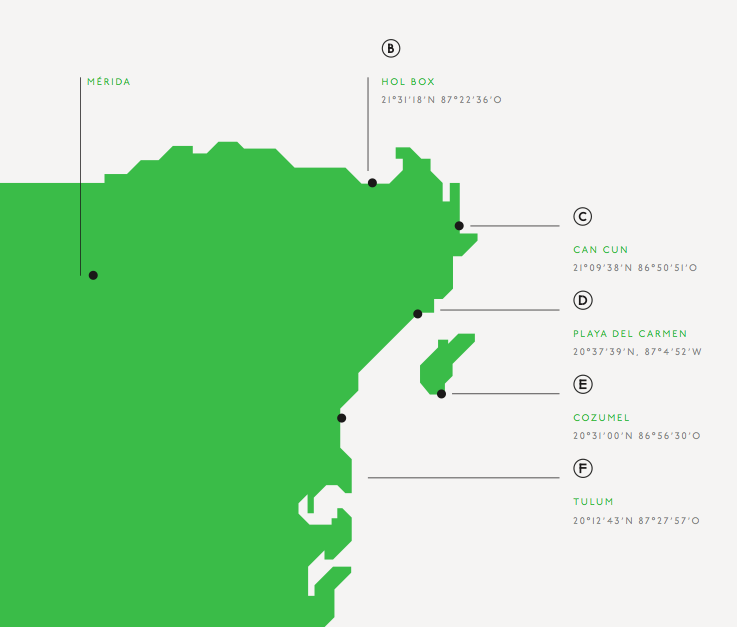
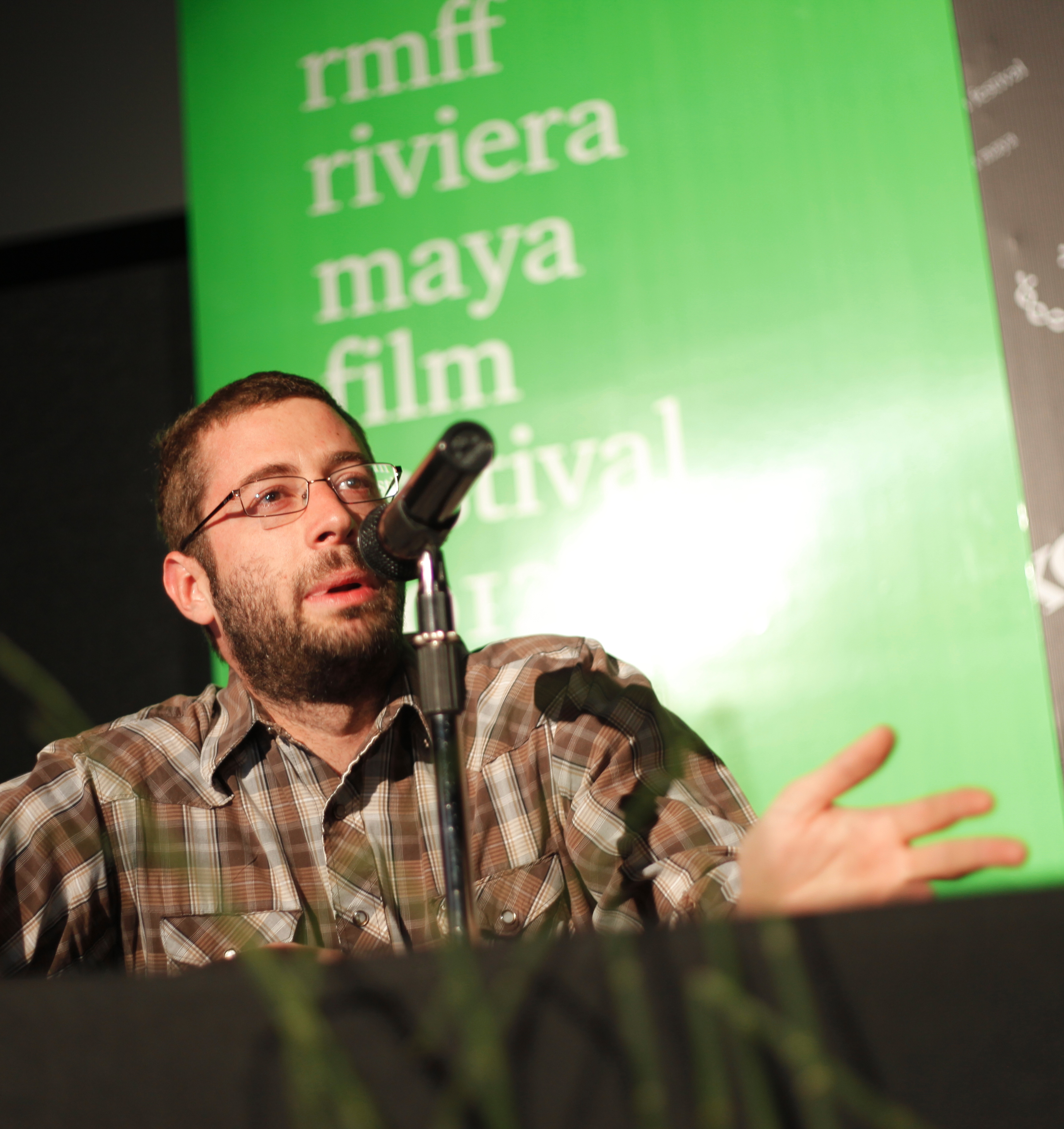
There is a hot new destination film festival on the circuit. Taking place within the archaeological paradise on the eastern tip of the Yucatan Peninsula, the first edition of the Riviera Maya Film Festival kicked off March 20th and concluded just yesterday, March 25. Over the six days, 70 feature films were presented in four exotic venues in the Mexican state of Quintana Roo; open-air screenings on the white sand of Cancun, amid the mystical scenery of Tulum, Cozumel, Holbox, and its main venue in Playa Del Carmen. If the enviable Mexican Caribbean picturesque photos and film buzz is any indicator, it looks and sounds like it was stellar success.
When I browsed the program on the cleanly no- cap designed website, I was really impressed by the quality of the Mexican films (by far the best selection I’ve seen put together in a while,) as well as the glitzy galas and the Planetario section, dedicated to globally conscious, environmental films. Over half of the program were Mexico premieres, and it included cinephilic treats like This is Not A Film by Jafar Panahi, Hirokazu Kore-eda’s Deseo, Wim Wenders’ Pina, as well as high profile genre film, the new Clive Owen starrer Intruders by Goya winning director, Juan Carlos Fresnadillo (28 Weeks Later, Intact).
This dude has excellent taste - and makes A+ films
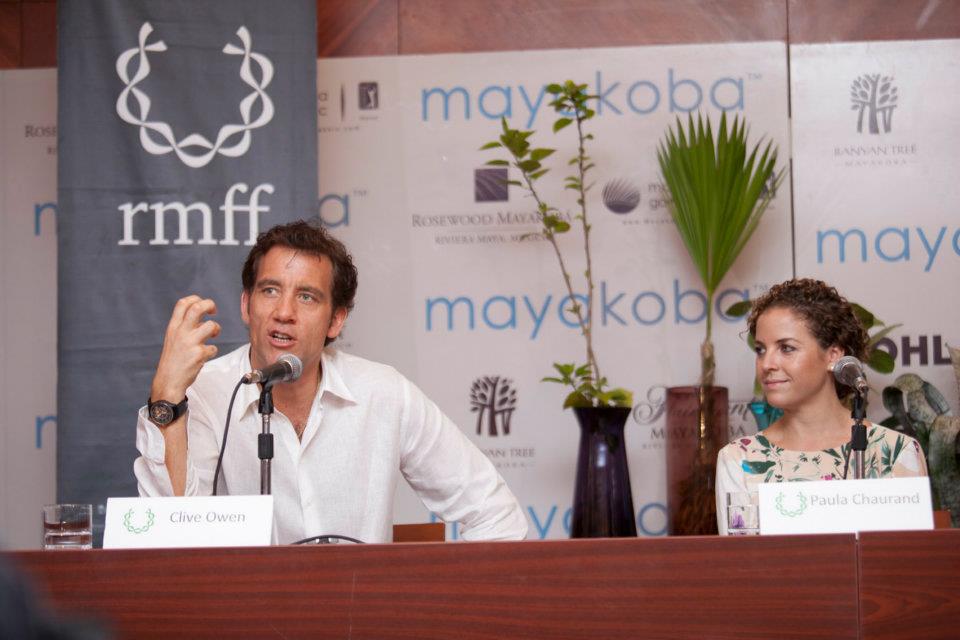
Given the remarkable programming, I wasn’t surprised then to find out that none other than Michel Lipkes was responsible as the Director of Programming. Lipkes is an excellent tastemaker/programmer/filmmaker. He use to Program FICCO for years, he made a solid directing debut with the b/w minimal existential odyssey, Malaventura (Morelia FF, Rotterdam FF). His production company Axolote Cine has generated Mexican independent films that play festivals worldwide. He also runs Mexico City’s Cineteca, a type of Lincoln Film Society. The director of The Riviera Maya Film Festival is Paula Chaurand who has worked as editor of Quintana Roo cultural magazine La Tempestad. Chaurand talks about making RMFF an ‘inclusive festival, the objective being that it is for the local population which is young under 40 crowd. Every screening at the festival is free and open to the public.
Executive Director of RMFF, Paula Charaund
So how do you get high profile talent, build out screenings in breathtaking landscapes and be able to offer half a million in cash prizes? Sponsorship. I’m always curious about festival sponsors and here the usual suspects are involved; Conaculta via IMCINE and Cinepolis, the biggest theater chain in Mexico. Just like the film industry, its federal funded. What’s distinct here however is the tremendous support of the state tourism boards. Chaurand attributes the healthy budget of the festival to the governor of Quintana Roo, Roberto Angulo. The cinematic initiative is part of his bigger vision to establish and incorporate a healthy film hub to add to the robust tourism trade.
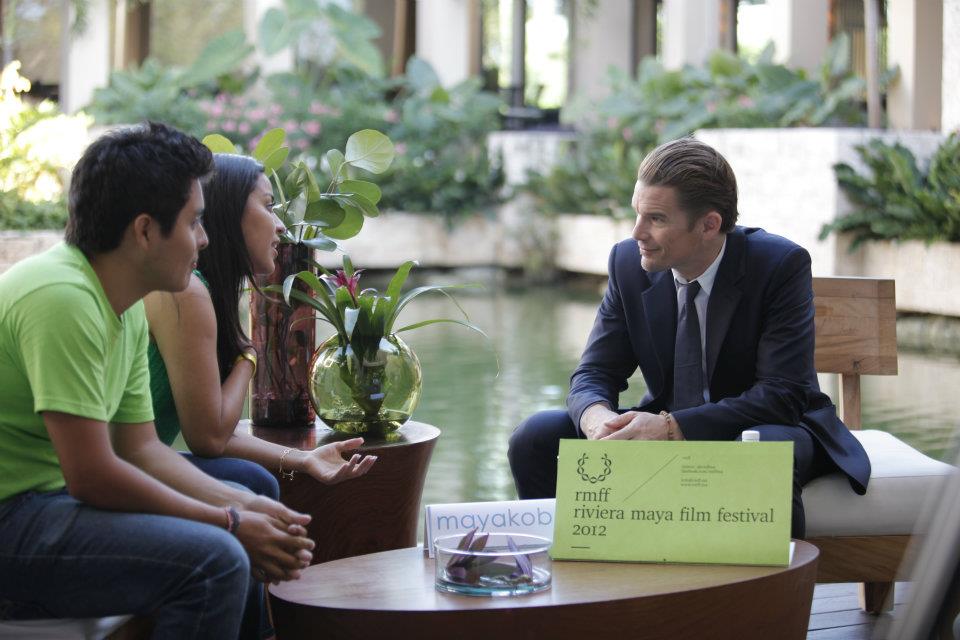
Along with A-list actor Clive Owen, the festival’s guests of honor included Ethan Hawke (not sure why but he’s still sexy), Mary Harron, Pilar López de Ayala, Matheiu Demy and Daniel Nettheim (The Hunter). The all male jury of the Mexican Competition dubbed Plataforma consisted of Diego Lerer, a film critic and writer from Buenos Aires, Eugenio Polgovsky, Mexican documentarian, and Sandino Saravia, Uruguayan producer. From the 11 titles in Mexican competition (6 fiction, 5 doc) they bestowed the Premio Kukulkaan which comes with a rich cash prize of roughly 100k USD, to documentary Cuates De Australia (Drought) by Everardo Gout which recently won at FICG , and Matias Meyer for Los Ultimos Cristeros (2011 Toronto Film Festival). The Jurado Joven award, given by a group of university students chose to recognize Jose Alvarez’s gorgeous Totonacas documentary portrait, Canicula.
"You, me and five bucks"
On top of the stellar films, the Riviera Maya Film Festival has ambitiously tackled a mini-market by establishing the Riviera Lab, a boutique co-production market and work in progress showcase. 10 projects in the co-production market and 8 films from the works in progress.
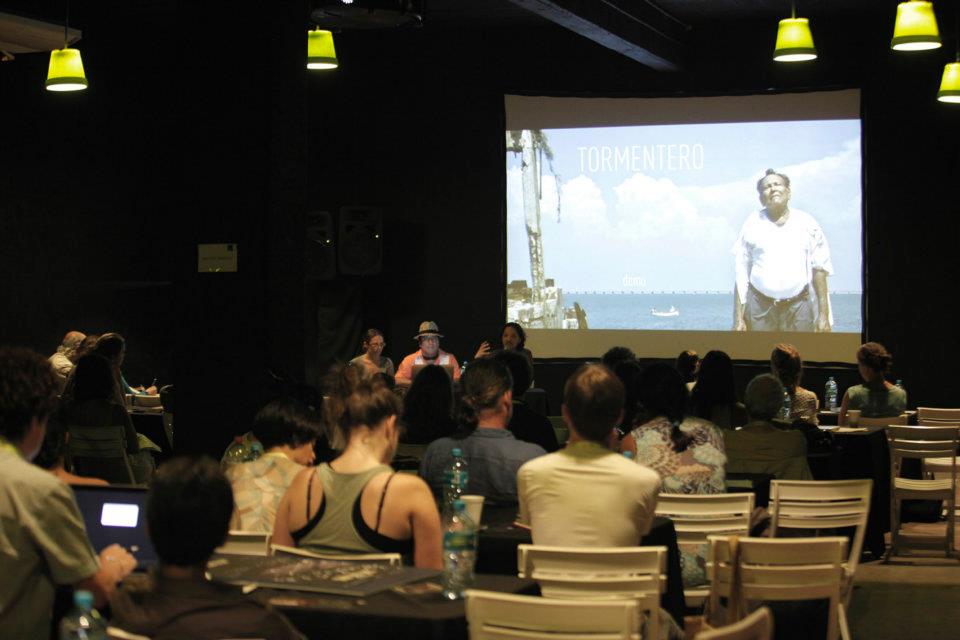
Tormentero - winner of the lab
The three projects awarded 200,000 MX pesos (20k USD):
Reimon by Rodrigo Moreno (El Custodio) from Argentina/Colombia
Tormentero by Ruben Imaz (Familia Tortuga) from Mexico
Nueva Espana, Raya Martin from the Phillipines
While Tanta Agua a film from Uruguay/Ecuador written and directed by Ana Guevara and Leticia Jorge Romero won the works in progress section, on top of the 200,000 MX (Basically 20k) pesos another 46,000 USD in post production services.
Other notable participants in the Riviera Lab include Julio Hernandez Cordon (Marimbas del Infiero), Enrique Rivero (whose 2008 Parque Via is a favorite of mine), Yulene Olaizola (Las Intimidades de Shakespeare, Paraisos Artificiales) who has Fogo in post, and Laura Amelia Guzman (Jean Gentil, Cochochi) who’s latched on as producer to Gabriel Nuncio, a Canana producer turned directing with the film Cumbres in post. One participant I’m personally eager and curious to track is Arami Ullon from Paraguay (18 1/2 cigarettes) who had a project in the co-production, El Tiempo Nublado.
Kyzza Terrazas w/d of my fave punk film, Lenguage de los Machetes, with Gabriel Nuncio who had Cumbres in the WIP
Congratulations to Michel Lipkes for programming an incredible, world class festival, and the rest of the team at RMFF for competing in their very first rodeo with high class style.
It seems like only yesterday I stepped off the train after a grueling 29 hour Amtrak from LA and arrived in Austin for my very first SXSW. In reality it’s been over a week ago and I feel like Geoff Marslett in that How Not Be Lame @ SXSW bumper trailer, where he transforms over the course of the Festival from entitled hollywood suit outsider pretentious douche into an entitled keep-it-wierd converted local douche. My attempt of recapping the ruckus that has led up to my current dazed and confused state has proven a bit tricky. Luckily the remnants of fliers, postcards, and business cards in my swagbag, plus scrolling through the week’s sloppy texts, tweets and photos have helped jog my muggy memory of what was an Epic first South By.
mi pelicula favorita!
The Films – Hard and edgy on the outside, sweet and tender on the inside.
All in, I averaged about 3 films a day. I feel bad for not having seen more, but the nonstop lounges, panels, parties and street grub posed serious detours on my way to see films. The first movie I saw here was the divisive satire comedy, Los Chidos, by Omar Rodriguez Lopez. Having seen a rough cut before, I knew exactly what Janet Pierson, Festival Director who introduced the film, meant when she said with a smirk “ I can’t wait to get your reactions to this”. Los Chidos is by far one of my favorite films so far in 2012. I’m thrilled that SXSW had the balls to put it in competition. The progressive music prodigy and son of a psychiatrist, Rodriguez Lopez has a fierce voice and much to say. At the Q&A he was asked why he chose to portray Mexicans like the mysogynist, homophobic sloths. I wish everyone who saw the film had the opportunity to hear his A because he really provides rich context to the swirling grotesque images that shock your senses, all of which are well thought out subversive analogies about the male psyche.
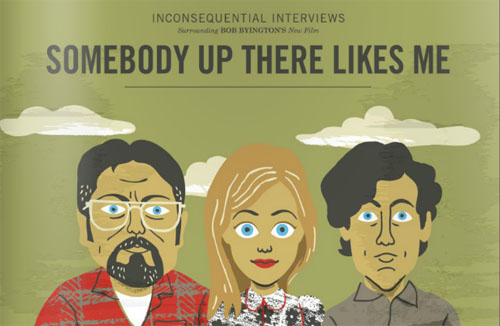
I also loved Bob Byington’s third feature, Somebody Up There Likes Mein the Narrative Spotlight section. Anyone who knows Bob knows he’s an odd egg and a cynical yet charming singularity infuses his romantic comedies. The film inhabits this non sequitur, pseudo reality yet for all the quirky fancy, the actual moments and feelings of bitterness, regret, heart, and self-deprecating humor couldn’t be more genuine and relatable. I like filmmakers who defy film conventions for story effect. Much like Omar plays with Los Chidos with the obvious dubbing dialogue effect as a throwback tribute to shlocky Mexican 70s movies, here Bob forgoes the phoniness of putting on makeup to show his characters age throughout the thirty years span of the movie. Everyone pretty much looks the same at the end. Because really who likes to see themselves age.
The multi-hypenate w/d/p beauty Adele Romansky
Leave me Like You Found Me, Ms. Adele Romanski’s directing debut really affected me and is also one of my faves. A perceptive, earnestly written and well acted film about when to call a relationship quits and how the nostalgia of a lost love washes over the ugliness of how it actually went down. David Nordstrom (Sawdust City) and Megan Boone give some awesome naturalistic performances. (How many times have you asked or been asked in a relationship, Why do you love me?). I thanked Adele for making the film, and she said many others have, because its one of those films where one gets to entertain the illusion of trying to get back together with the ex and what that might look like. Also worth mentioning and not just for diversity sake is Wolf, a first feature by Ya’Ke Smith. An all black cast film about a teen who protects the preacher with whom he had an illicit relationship. It’s a nuanced storyline that was just shy of gripping because the script and acting were a tad uneven.
I also thoroughly enjoyed Crazy Eyes by Adam Sherman which Strand picked up for a summer release. I tend to be culturally sensitive to the myriad of American films about rich white people’s problems (who cares) but once in a while the filmmaker successfully makes its rich white character relative and poignant, and I would be guilty of dismissing it just because (The Comedy for instance, which I also found tragic brilliant and premiered at Sundance and also played here). That girl from Californication, Madeline Zima and Lukas Haas who plays a Hollywood millionaire have a year long drunken relationship where she refuses to have sex with him. They smoke, do drugs, drink and fight like decadent zealots. She accuses him of not having real problems, when ultimately we find run he is way more dysfunctional than she. Thanks to the Tugg Buzz screenings, where the festival adds a screening of films with the most buzz, I caught King Kelly by Andrew Neel about a self-centered internet sex star brat who does not live a second of her life not filming her navel and drama on her iPhone. Titillating social commentary about our fucked up millenial generation.
The Panels – All you can panel buffet
Nearly as giant as DFW airport, the Austin Convention center and hub of SXSW Film/Interactive/Music
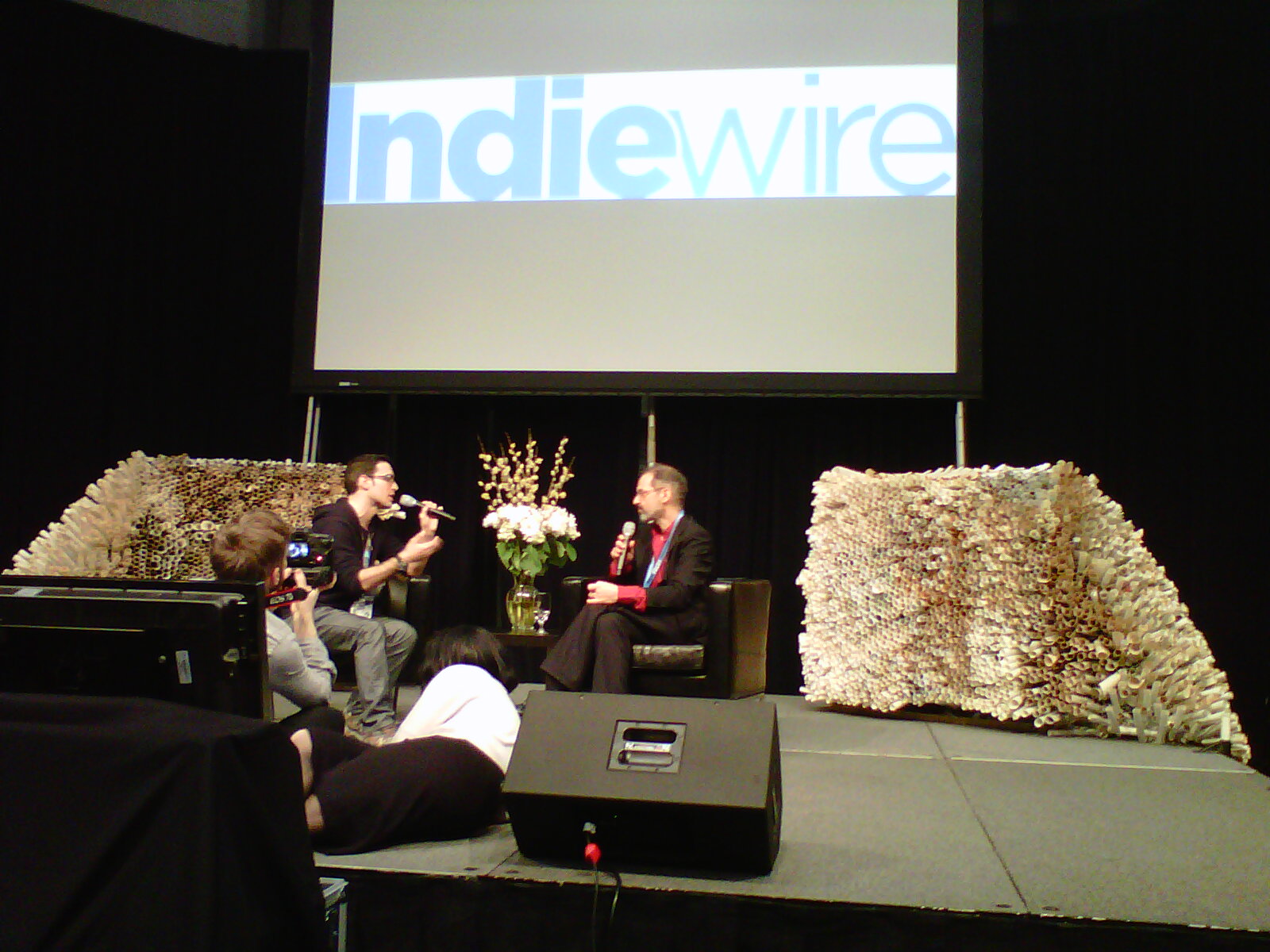
The number of panels, speakers, and sessions is overwhelming and diverse. And most of them come with cute brand title names. No doubt its due to their panel picker process in which you can vote on what panels you want to see. Yours truly participated in a Mentor session about reaching international audiences. It’s a speed dating style format where registrants sign up and get 15 minutes with you. I took it a bit personal and was disappointed that there was not a line of people waiting to see me (ego anyone?)but I heard from other much more established industry players that overall this was the case perhaps because of the competing multitude of events. In a crazy twist of events and much to my surprise one of the four registrants that met me was a cousin I never met! She had recognized my name and surprised the heck out of me when she said “Hi, I’m Myrna. I’m your cousin”. We had an impromptu reunion and started to piece together our estranged family – most of whom I found out are in Texas or Oklahoma. I caught a little bit of the Have Latin American Media become Social, where the main takeaway is that there is not much overall internet penetration in Mexico and even less in Central America. The big broadcasters like Azteca and Univision are dominating with interactive sports and telenovelas forums. But that said, there’s lots of room growth. I sat through “How I Learned to Stop Worrying and Love VOD, moderated by Orly Ravid and included, Nolan Gallagher/Gravitas, Eamon Bowles/Magnolia, Dylan Marchetti/Variance films and Matt Harlok who shared his successful case study of his documentary, American: The Bill Hicks Story. Read the PDF presentation here. The last few pages offer some good takeaways by the experts. What I mostly absorbed was that every film needs a ‘specialist’ or a savvy business producer filmmaker to exploit the wild west and not yet tested opportunities out there as its all on a very case to case basis. Second is “Know your windows”. My last panel of the fest was Indiewire’s Eric Kohn asking some very straight to the point questions to Caveh Zahedi, filmmaker of SXSW doc, The Sheik And I, which has some controversy surrounding the filmmaker’s take on Islamic Society and what constitutes as a mockumentary. I think – as I did not see it but I wonder if its as duplicitously brilliant like a Mads Brugger film (Red Chapel, The Ambassador). I also caught the final Indiewire panel in which Dana Harris and Eric talked with a gruffy voiced Festival Director, Janet Pierson and Senior Programmer/Operations Manager Jared Neece about this year’s festival. Its hard to recap an event that is still going but I applaud their programming, spirit, and most of all knowing their audiences.
The Music – where it all began and where it all goes to hell
There was a noticeable shift of crowds – larger and rowdier when the Music portion of
Biggest Music Discovery for me! Must check out Filastine
SXSW began on Tuesday. Suddenly it was green badges galore. 6th street blew up with armies of transient musicians, marketing hulu hoop ploys, and impromptu drum circles. I happened across one of the Music pocket guides which lists each venue and the 2000+ bands and got excited at the prospects. Plus there had to have been at least another another hundred of performers in the unofficial and so called “anti-sxsw” vein. If it was difficult to adhere to a screening schedule, it was nearly impossible to try to keep a music schedule. After Wednesday, it was very go with the flow, but I got to see a lot more movies since most film folks had left. Wednesday night I had the pleasure of experiencing Filastine, an international world-like dubstep hard to categorize explosion of sound whose maestro is Greg Filastine an Oklahoma native now living in Barcelona who drums everything including a shopping cart. And right next door at the Speakeasy were the fine firecracker ladies, Lila Downs and Cucu Diamantes who had a documentary, called Amor Cronico in the festival. I also danced my ass off to electro cumbia mixer DJ Mr. Pauer.
The Parties – Messin’ with Texas
Pro-skater Kenny Anderson. Hot. and taken.
I missed the first couple days of parties since I felt the need to see the Midnight flicks but I got up to speed pretty quickly on Monday night with the Gayby/Wholphin party at Cheer Up Charlies. A great Texas joint where I was happy to see all my LA and NY friends. The Film Awards ceremony on Tuesday was thankfully brief and I found a seat next to my homey Trevor Anderson, short filmmaker of High Level Bridge and The Man That Got Away and Sundance pal, David Courier. I also met Louis Black the founder of this here shindig, an old G who was praising Janet Pierson’s helming. Before the actual party at Stage opened, I grabbed a slice and hung out with the Los Chidos posse. By Thursday, I turned into a film zombie fueled by Doritos and Tito’s vodka. I would get downtown by 1030am just in time to go to the lounge for some breakfast tacos to-go and start my day off with an 11am screening. My new Russian friend Selena from St. Petersburg and I became fest buddies this way; we’d go see a movie then go back then to the lounge for drinks. Repeat. After four films on Friday I skipped the downtown melee and went over to the East side, to this rustic but mod spot called Hillside Pharmacy, then later to a rowdy place called Yellow Jacket also on the East side where there was no badge in sight. I seriously thought I was done for by Saturday. That is, until I heard there was a Converse Thrasher party at Scoot Inn where there’d be hot skaters. We rolled up and met up with pro-skaters and derelicts, plus got to see Kreayshawn do her Gucci Gucci, and trip-hop, The Cool Kids from my hometown Chicago perform. I have never seen so many dirty skaters and hot girls in one place. 500 Pabst Blue Ribbons later we went to The Grackle where we heard a pretty cool all girl punk Japanese band, ZZZs and where thanks to the East Side Kings food truck had the best damn pork ribs I’ve ever had in my life. Afterwards a pedi-cab to the car sealed my last night of brouhaha.
Like the 120,000+ SXSW participants that stormed Austin this week, I’m slowly stepping back into ho-drum reality. Now that I got my first SXSW taste I am hooked! Big besos and thanks to Claudette Godfrey, Fest Coordinator and Programmer who is the reason I took on this gonzo-esque journey.
The 27th Guadalajara International Film Festival, FICG27 drew to a close last Saturday, March 10. The biggest and oldest festival in Mexico with the most important Latin market (Argentina’s Ventana Sur might steal that rank soon though) included over 1000 titles in its video library, 30 young filmmakers in the Talent Campus, and an expansive film program with over 300 films. At a festival this overwhelming, they key to navigate it is strategy. This was the second year under Festival Director Ivan Trujillo’s belt. Unfortunately the Mexican narrative feature competition remains pretty weak save for a couple out of the 13 films. The jury awards announced on Sunday declared Best Mexican Feature to Mariachi Gringo by Tom Gustfson and Best Mexican Documentary went to Cuates de Australia by Everardo Gonzalez. The awards doled out were many many more. For the full list click here.
I wasn’t at the awards ceremony where I might have been able to hear the Mexican feature jury who consisted of Osvaldo Montes, músico (Argentina); Christian Dimitriu, director de archivo (Argentina); Paulo Antonio Paranaguá, periodista (Brasil); Reynaldo González, escritor (Cuba); y Mane Cisneros, directora del Festival de Cine Africano de Tarifa (Spain), to deliver their statement. No matter, because I am at a puzzled loss over their choice of Mariachi Gringo, a poorly scripted, highly commercial novella at best. I would maybe expect it as garnering an Audience Award given Lila Down’s featured role. But even the Audience displayed better taste and their affection for genre, as it went to El Espacio Interior, or as I’ve heard people call it the Mexican 127 Hours, starring Kuno Becker in a surprisingly most solid performance to date. I find it incredible that La Demora, got nothing. Un Mundo Secreto also got an Audience Award. I am happy about documentary Cuates de Australia by Everardo González as best documentary, which Robert Koehler totally called out before I left as his favorite. It surely must have been the toughest jury deliberation – (Humberto Ríos, documentalista (Argentina); Giuliano Salvatore, filmmaker (Venezuela) and Pituka Ortega, filmmaker and Associate Director, Festival de Cine de Panama, becauseMexican documentaries are where its at.
I got in on the first Friday of the festival, March 2 and checked in at the swanky Camino Real across from the Expo, the hub of market activity. As a big fan of the Festival’s beautiful artwork, I immediately bought some merchandise. I meant to inquire about the poster contest they have each year which gives them an edge in that arena. I ran into some new friends from the Monterrey Film Festival and decided to join them for Mis Memorias de Mis Putas Tristes, a Marquez adaptation by Henning Carlsen which was fitting given the author’s anniversary that weekend. A coughing fit prevented me from watching it through and through but what I did see was not enough to place this newest adaptation apart from the hundreds of other stiff attempts. I did the right thing and stayed in the first two nights so I missed The Opening night,which was oddly on the second night of the festival. The film was Another Year, I guess because Mike Leigh was a guest of honor, along with the dapper Cubano Americano Andy Garcia, and Mexican filmmaker Gabriel Retes. The festival’s country spotlight and guest was the UK, a rather strange programming choice, if you ask me. Although to be fair, they did have a spotlight (not as well lit) on Ecuador. Among the 6 films, Sebastian Cordero’s Pescador, a Sundance supported film but not among them surprisingly was this great Ecuador film I recently saw called Porcelain Horse. I did however see it in the concurrently running Miami International Film Festival so kudos to them for grabbing it. Looking at the thick FICG27 catalogue, there are some really random programming sidebars like one simply entitled, Melodrama. There was not too much US fare but they did well in screening Without by Mark Jackson who I just learned use to live in Mexico City and is a considered an honorary “Chilango”. The other US film that seemed to come out of nowhere was a film by Matthew Modine called, Jesus was a Commie. Has anyone heard of this?
On Saturday March 3 I took part in a panel for the Guadalajara Talent Campus. The subject was how to use social media to help your distribution but it was incongruently called, Stories on Everyone’s Lips. My pal Sydney Levine and Peter Belsito were there to support and agreed it was lacking focus and was partly hijacked by the boys. Although I’m no expert, I drew from my colleagues and resources like Sundance Artist Services Page, The Film Collaborative and Ted Hope’s Hope For Film to tell the kids that if they make their own noise and connect with their audience, all these alternative models will come to them.
The problem with traveling to festivals shortly after Sundance, is that you will run into people who are quick to point out that you, as in the entity known as Sundance, rejected their film. Although as a Programming Associate I am not on the hook because I do not actually make the selection, I naturally try to diffuse their acrimony. I ask which film, if I saw it, I let them know what I liked about it and console them in that there were so many good films we lost out. That tends to work. But given this year Sundance that did not select one single film from Mexico, be it narrative, documentary or short, it was a little tricky. It hasn’t been that great a year for feature fiction, documentaries tend to be more ethnographic and regional, and shorts selected are 86 out of 6000 submissions.
with Anne Hoyt and Mike Leigh
Sunday night’s Industry cocktail was like many of the festival’s fiestas, far from the Expo, about a 20 minute festival transpo ride, but a chance to catch up with familiar faces. After some good schmoozing and saying hello to Canana Director of Distribution Cristina Garza and CEO Julian Levin,. I linked up with frequent Morelia Film Festival guest and partner in crime Anne Wakefield Hoyt, veteran journalist based in D.C. who was there on the FIPRESCI jury. We walked over to the British Film Institute cocktail which was by far the most fancy affair of my festival. It was in a gorgeously handsome diplomatic building on the rooftop which had a magical view of the whole city and the remarkable cathedral skyline all lit up, with a beautiful starry night in background to boot. Anne scored her interview with Mike Leigh and I got a chance to kiss him and tell him Secrets & Lies is my favorite.
The next couple days I did speed dating with the Talent Campus kids where I heard pitches for projects, both narrative and documentary that needed co-production partners or financing. I could offer neither but was able to connect a few to Sundance Institute and suggest other development workshops. It’s inspiring to hear the passion pour out of them and their connection to the projects is often quite personal. One of the filmmaking teams I met was awarded the $150,000 in finishing funds. Their project is a narrative called UIO, a film from Ecuador by Micaela Rueda that features a coming of age, lesbian romance. A documentary that piqued my interest is a miner documentary in Bolivia in which the miners give sacrifices to gods in exchange for letting them come out alive every day. The 1 minute trailer transmitted the spooky and eerie depths of the film, its called the Night Inside of Us.
I squeezed as many movies I could at the video library. Still I did not get a chance to see many documentaries that came highly recommended from sources I trust, like El Lugar Lejano, El Paciente Interno, and Juan Carlos Rulfo’s new documentary, Carrière, 250 metros.
Part 2
The only good thing about the usually happening Mexican Fiesta on Monday night was that I was introduced to Mexico’s salt of the earth, uber prolific and talented actor Damián Alcázar. I think I had about five seconds to try to sustain his interest before some pretty young things approached him and cut short my dream of a May December romance. Instead I made my way to the dance floor and joined Sundance fest vet, Nicole Guillemet, Christine Tröstrum from Berlinale Talent Campus, and Hebe Tabachnik of LA and Palm Springs Film Festivals. Once again at the end of the night I made sure to link up with a juror to ensure a ride back to the Expo – a strategic tool I’ve picked up knowing full well that jury never gets left behind by festivals.
Tuesday evening I accompanied mis amigas, Animal Politico journalist, Mariana Linares and documentary film and Morelia Film Festival producer, Daniela Alatorre, to see Chalán by Jorge Michel Grau (Somos Lo Que Hay). I had no idea it was actually a one-hour and a groundbreaking recent collaboration of Channel 22, a ten year old broadcaster, and IMCINE, in an effort to supply contemporary and original content on public broadcast. Unlike US cable successes like HBO and Showtime, Mexico does not have an equivalent. The testosterone battle of wits and blackmail between a corrupt congressman and his Go-fer (that’s what Chalán means) go head to toe in this dark yet oddly flippant film (Like El Infierno and other narcocomedies, the heightened cinematic portrayal of corruption in Mexico is not that exaggerated or far from the dire reality, making it an uncomfortable paradox). The only females pictured here are the secretary, and the politician’s battered mistress who we never get to see (just sayin).
After the film, we headed out to a delicious dinner accompanied by Mariana’s erudite and genial father, Marco Julio Linares who heads Eficine, the big fiscal film producer tax incentive, Article 226, and Víctor Ugalde, filmmaker and president of Sociedad Mexicana de Directores-Realizadores de Obras Audiovisuales, (similar to the DGA but not exactly). Although that same night Guadalajara’s version of the Teddy Awards was going on complete with a drag queen beauty pageant, the award borrowed and cleverly inaugurated as Premios Maguey (get it? Ma-gay), this impromptu dinner was so much more fun and special. I sat back absorbing the stories by the two vets at the table. At the same restaurant, I spotted independent producer, Jaime Romandia of Mantarraya Films, whose Post Tenebras Lux by Carlos Reygadas has the world salivating with anticipation. His joint distribution company with Reygadas NDM has picked up prestigious euro titles like Bela Tarr’s Turin Horse and Kaurismaki’s Le Havre for Mexico. Later we had a couple tequilas with amiable and passionate filmmaker Leopoldo Gout, producer of last year’s out of competition Cannes film Dias De Gracia – an adrenaline fueled, gritty crime drama which you will hear more about soon as I hear it has been picked up for US distribution.
An especially good run in at the market was when I saw Rodrigo Guerrero of Dynamo Films and producer of festival favortie and critically acclaimed film Contracorriente (Undertow). One of the exciting projects he is working on is a website he’s branding Discover Film Talents, a site that is curated by both content and users and concept is where festival programmers can connect with works in progress films, and directors can connect with screenwriters. He is currently developing it by partnering up with festival workshops and incubators like the Talent Campus. I’m really excited about this as it would be a critical resource and tool to connect the global industry.
Wednesday I was conflicted because I wanted to continue to see the Works in Progress but also catch the Mexican State of Cinema and Television panels. I did manage to catch the Chilean work in progress film by Che Sandoval, “You think you are the most talented but you are the biggest whore”. A loose spinoff his earlier film which played the San Francisco International Film Festival last year, “You think you are the prettiest but you are the biggest whore”. Obviously he’s matured just a bit. The inconsequential but hilariously entertaining raunchy comedy is about a loser deadbeat who can’t deal with his responsibility as a husband and father. Back to the panels I made sure to get the second annual publication that Imcine puts out, an extremely informative and in-depth annual study of the Mexican film industry. It’s got tons of stats and figures and bars about 2011 production, exhibition and the digital future of Mexico’s audiovisual industry. I highly recommend you take a look at the data available 2011 Mexican Film report. Here are just a few interesting figures:
Total box office revenue 9,755 million pesos (*562 screens)
Don Gato, the children’s animated film was the highest grossing Mexican film and placed 23 in general ranking
111 Mexican films produced in 2011
Total films released 321. Mexican films released 62.
82% produced with state support.
Documentary is on the rise as releases went up from 7 to 13 and attendance rose significantly.
Presunto Culpable is now the 3rd Mexican highest grossing film of all time. El Crimen de Padre Amaro in 2002 continues to be the highest grossing of all time followed by Y Tu Mama Tambien in 2001
*Mexico is currently the country with the most screens in Latin America and the best ratio of inhabitant per screen. Since 2001, the number of screens has increased steadily, at a rate of 9% a year, however, they are concentrated in a few cities; only an estimated 8% of municipalities have even one. About 58% of the national population lives in these cities, which means that 42% of Mexicans do not have access to a movie screen in their locality
~My last night happily coincided with IMCINE’s fiesta, which never fails to be the best dance party. Before hitting up the party I headed to Un Mundo Secreto’s premiere party at this great local mezcaleria. I hung out with John Hopewell a Scottish expat who’s been living in Mexico for 15 years and writes for Variety, and his compadre and colleague, John Hecht. I found Carmen Ortega Casanovas, producer of Juan Orol, Rey Del Churro in narrative competition, (based on the real life Orol, who is like the Roger Corman of Mexican B films), and we headed to the bash where we danced all night. The perfect finish of the night was grabbing tacos and chelas with a group of talented, intelligent and fun girlfriends.
The next morning, just as I was leaving for the airport I saw none other than Cuauhtémoc Cárdenas Solórzano, three time presidential candidate and PRD moral leader, arrive at the hotel sans bodyguards (Read my review on the documentary about him, El Ingeniero here). I said hello and told him how much I appreciated getting to know him through the documentary. He shook my hand and asked me where I was from, to which I responded; I’m a Chicana from Chicago.
Alejandro Lubezki (right) with Cuauhtémoc Cárdenas Solórzano
Cuauhtémoc Cárdenas Solórzano, or The Engineer as he is reverentially called, is a stalwart modern day politician, whose distinguished family (Think Kennedys) includes his father, Lazaro Cárdenas (President of Mexico, 1934-1940), and son Lázaro Cárdenas Batel, former governor of Michoacan. Cárdenas Solórzano is a three time presidential candidate and beloved PRD (Party of the Democratic Revolution) moral leader who in this electoral year is a big supporter of the party’s candidate, Andrés Manuel López Obrador (Obrador’s second presidential bid following the highly disputed 2006 election in which supposedly a .56% margin marked his defeat against Felipe Calderón ).
In El Ingeniero, filmmaker Alejandro Lubezki shares the unprecedented access granted him and gives us an intimate, fly on the wall doc, shot during Cárdenas infamously last, arduously fought attempt in 1999 to wrangle power from the dominant PRI (Institutional Revolutionary Party) in the 2000 election year. It is well known that in his previous 1988 run, blatant fraud prevented Cárdenas from rightfully taking presidency. We also know how it ended in 2000; According to most sources (with TV Azteca giving the highest, 9 point margin), only a few points separated PANista Vicente Fox Quesada and Cárdenas. Fox emerged the winner, even though in the public perception it seemed he had all but squandered his early gains in the polls.
The idea to follow Cárdenas was instigated in part by Alejandro’s older brother Emmanuel Lubezki (Oscar nominated cinematographer of Tree of Life) who had not lived in Mexico for years. Surprised that nobody was making a film about Cárdenas, Alejandro himself asked for a meeting, proposed the documentary directly with The Engineer, and a handshake and few days later, was authorized the incredible access and began rolling. As heard at the Q&A of the world premiere at Ficg27, Alejandro took approximately 300 hours of footage, which then took him about that much time to edit into the story onscreen – notwithstanding the twelve years from since it was shot.
The camera literally squeezes into the political strategy and image-making sessions that shows Cárdenas’ ardent camp of intense and genuinely, frank political advisors agree and disagree on how to make a president, bearing witness to the sweaty behind the scenes process. Securing the right PR agency, approving photos (“Not that photo Ingeniero, you look like Subcomandante Marcos”), and the exhausting efforts of intervening the media’s powerful influence, forms the first part of the film. Traveling day and night to beautifully Nahuatl named towns hardly heard from, Cárdenas appears to be a man of the people. Although at first Cárdenas seems somewhat rigid if not overly stoic. Soon however, what we learn is his characteristically quick-witted humor emerges. When we finally get to see him mad, we agree with his wife who points it out plainly; he asserts a stronger presence. Indeed it’s not until then we see him verbally swing back against Fox that he appears to gain upward traction. In a memorable sequence that testifies to the most surreal only-in-politics world, we watch the three political candidates debate about when to have a debate. Fox’s asinine ability of not yielding to rationale turns him into a four year old as he throws a public tantrum that the debate must take place that very same day – Cárdenas hitting his stride, chimes in; ”Don’t worry I trust you won’t forget what you prepared for today by Friday”. That’s not to say Fox is ostracized entirely in the film. We also witness his sense of humor (it’s a big Mexican thing), and hear him give credit and thank his worthy opponent more than once. After all both parties sought to defeat el PRI, so the win to a certain extent was shared.
Lubezki’s Director statement says the film’s intent was not to show nor cater to the public’s desire to see the scandal and corruption inherent in the treacherous political machine, but to show the arduous campaign process and the authentic character of Cárdenas. And so, by eschewing the cynicism and distrust surrounding politics that we ourselves tend to perpetuate, he astutely, perhaps subversively infers a positive and encouraging tone, very timely given this election year. As long as there are political leaders like El Ingeniero, it’s crucial to not fall defeatist and avoid the ‘My vote doesn’t count’ stance.
Now I’m not that well informed on Mexico’s political landscape so I imagine there must be content here that goes over my head, and that invested people might get more political juice out of it. I’ll leave that to the pundits and experts to glean. What’s not lost on me however, and what points to the film’s ability to transcend its specific political reference and country, is the damn herculean strength, passion and tenacity required to run for office, the epic scale of mobilizing a presidential campaign, and most interestingly, the ongoing wage of power between today’s grassroots triumphs and losses over big money controlled political interests.
At the end of the film we see “the moment” has arrived. The campaign team which has exausted blood, sweat and tears, watches in agony as the omnipotent media makes its suspect exit polls and projections showing Fox celebrating his win ahead of the official confirmation. It is nothing short of infuriating and profound disappointment. Yet as testament that leadership is in his DNA, Cárdenas eloquently turns the energy around by standing up and shaking everyone’s hands to thank them for their trust and support. As he makes the rounds, a strong applause swells. The clapping does not die down but only gets louder as he continues to work the room, warmly showing his gratitude and promising all of us that “La Lucha is far from over.
A definite highlight of the Mexican Documentary Competition in this year’s Guadalajara Film Festival, I hope El Ingeniero travels far and wide this year. For more information and to read the Director’s statement click here (yes, its in Spanish).
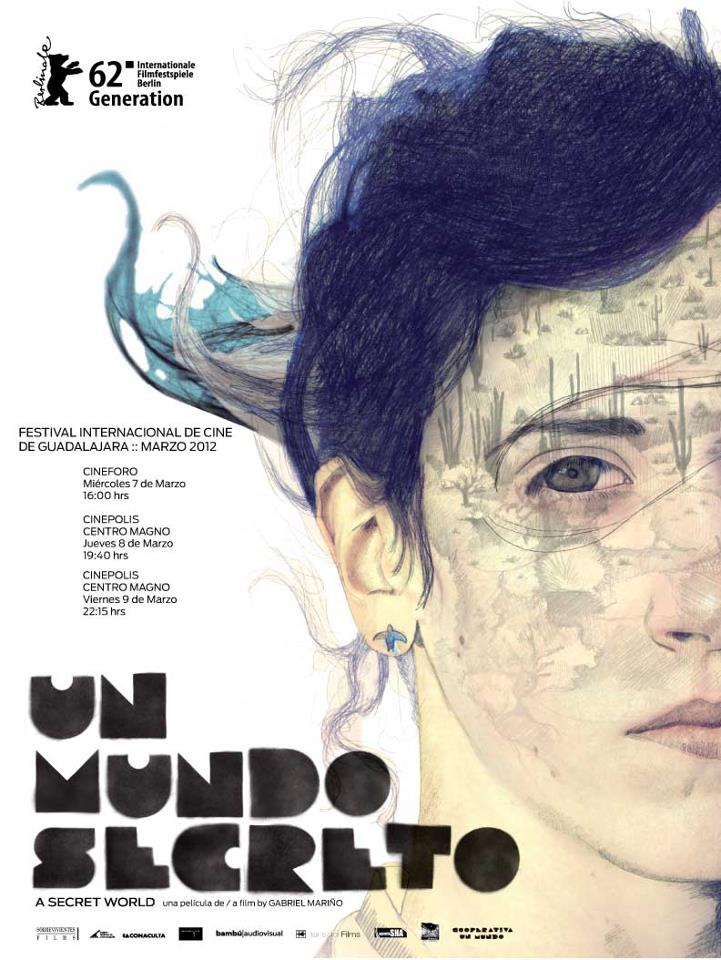
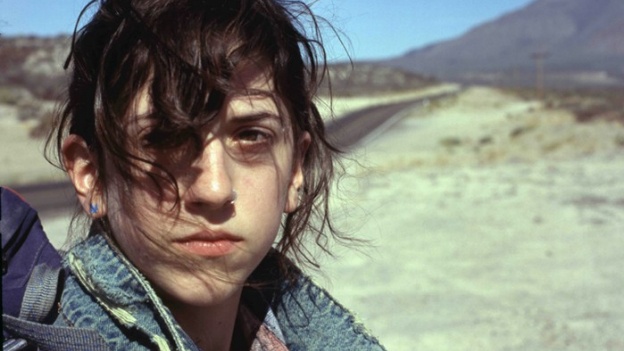
Yet another highlight of this year’s FICG27 Mexican feature competition is Un Mundo Secreto, a quiet but emotionally poignant first feature by Gabriel Mariño. Along with La Demora, it was one of the two films that represented Mexico at last month’s Berlinale – this one in the Generation section. The film is a visceral coming of age tale of an isolated teenage girl who alienated at home and school, flees the city and embarks on a journey of self search. It first garnered attention at last year’s San Sebastian film festival´s Films in Progress, the hotbed of latin america’s next best up and coming projects. What makes the film stand out is a sensitive touch and lyrical tone, and the female lead’s vulnerability transmits the mysterious but unmistakable void and longing she feels, which in turn permeates the fabric of the film. Privy to her secret world, that universal and primal desire for love and connection is beautifully captured and affecting. Big congrats, and thanks to Gabriel for answering my questions below:
CD: Were you always certain your lead was going to be a female protagonist? I ask because in a way her gender informs a lot of the journey. What was it like to write a teenaged girl character? How did you work closely with your actress and producer in shaping the character?
GM: Well, I always knew since day one that my main character it was going to be a girl. Why? All my fiction characters are always women, maybe that gives me more freedom to be sensible and emotional. I think in this way I can make closer contact with my feelings. Why not a boy?, I guess my therapist can answer that more accurate than me. I worked very closely with my actress. I have known her since she was 11. We developed the film for about three years. Actually I wrote the script especially for her, and with my producer Tatiana Graullera, we worked very closely as well, since day one she was there, she was, and still is, my compass.
CD: Finding one self on a road trip tends to be a quintessential and rich story thematic. In your opinion, what do you think it is about Mexico’s urban and rural landscape it provides? How did it feed into that path of self-discovery for your character?
GM: Mexico is a very big and changing country, a generous and a sad land, sometimes we can spend years and years in the city without knowing Mexico, without paying a visit to your home land. Mexico is having a brutal, social and political crisis right now. The social tissue is not strong enough to support Mexican people and specially Mexican youth, but I strongly believe that the answer to that crisis lies inside the Mexicans, not in the government or the politics. It lies in the people and the country itself, so it was important to portray this quest for self discovery in the frame of Mexico´s roads and landscapes.
CD: The cinematography is supremely arresting and such a big part of expressing the insular world of the character – what was your approach in painting the film in such a way?
GM: We spent a lot of time my DP Iván Hernández and me thinking in how to shoot Un Mundo Secreto, and after studying still photos of Nan Goldin and paintings of Edward Hopper we found our answer. We wanted to shoot the film in not so many shots. For me it was to look at this story as if through a window. I told Iván that I wanted to shoot with practical light, without any lightning. He agreed and we did not have any light equipment with us during the shooting.
CD: So now you just made your first feature film in Mexico. To some extent you had the backing and support of your alma mater, the film school, CCC. How challenging did you find it to make the film? On what level and how crucial do government funded entities like IMCINE continue to support first time filmmakers?
GM: Well, the project was supported by Sobrevivientes films since the beginning, and we applied for IMCINE funds several times in different stages of the project but we did not have luck there, so we decided to make the movie independent, the CCC supported with some postproduction process, and other production companies (Bambú Audiovisual, Transistor Films, Al fondo del Callejón) supported with camera equipment, sound and so on. In 2010 we won the Swiss Fund for production Visions Sud Est and then the film was a reality. After San Sebastián Films in Progress IMCINE decided to support the project with post production.
FICG27 screenings:
Wednesday Cineforo UdeG 4pm
Thursday at Cinépolis Centro Magno 7:40pm
Friday at Cinépolis Centro Magno 10:15pm
Like it on FB here and to stay tuned to hear where it will have its US Festival premiere!


















 Chicana from Chicago